
Insights And Resources
The GrowthHasten Blog
Actionable insights on SEO, content strategy, and building sustainable growth engines. No fluff, just strategies that work.

All Articles

Media Pitch Examples: What Gets a Reply, and What the Data Says
The top result for media pitch examples promises twelve templates that get journalist replies, and prints a reply benchmark with no dataset behind it. Behavioral data on 405,964 pitches puts the measured response rate at 3.43 percent. Here is what belongs in the email, and what to expect from it.

Faceted Navigation SEO: Which Filter URLs to Block, and Which to Keep
Ask three ranking guides what to do with your filter URLs and two will tell you to canonicalize them. Google's own documentation, updated at the end of 2025, recommends blocking them in robots.txt and calls canonical tags less effective in the long term.

SEO Dashboard: What to Put On It and What to Leave Off
Every SEO dashboard guide hands you the same list of metrics and never says which ones to leave off. The harder question is what each tile is for, and which of them will quietly mislead the person reading it.

Share of Voice: How to Measure It Without Faking the Denominator
Every guide to share of voice gives you the same formula and leaves the denominator undefined, which is the only part that decides what the number means. This is the specification to write down before you calculate, and why two tools will never agree.

AI Visibility Tools: How to Choose One and Judge Its Numbers
Every AI visibility tool reports a percentage, and no two of them calculate it the same way. This is how to judge one by the validity of its measurement rather than by the length of its feature list.

SERP Features: The Full Map, and Which Ones You Can Actually Earn
Every guide to SERP features publishes a different list, running from five items to thirty-seven, and none of them says which ones you can actually influence. Google names the parts of its own results page and draws that line explicitly.

LinkedIn Marketing Strategy for B2B: What Actually Leaves a Trace
Almost every LinkedIn guide is written for a social media manager whose scoreboard is engagement. If your scoreboard is pipeline and search visibility, LinkedIn's four surfaces need judging on a different question: which of them leaves something a person can still find six months from now.

Earned Media: What It Is, and Why AI Answers Run on It
Earned media is the coverage you did not pay for and did not publish yourself, which is exactly why it is worth more. It is also, on the current evidence, most of what AI answer engines are willing to cite.

Title Tags: How to Write One Google Will Not Rewrite
Almost every guide to title tags gives you a character count, and Google's own documentation says there is no limit. The more useful question is which titles get replaced, and what to do about the ones that already were.

External Links and SEO: When to Link Out, and When to Nofollow
Most advice about links is advice about getting them. The other half of the job is what your own pages point at, which attribute each of those links needs, and the fact that a good outbound link quietly stops being one about two years after you publish it.

Content Planning: How to Decide What to Publish Next
Most content planning advice turns keywords into a calendar and assumes every topic becomes a new post. On a site that has already published for a year, the more useful question about any given topic is whether it should be a new page at all.

Search Intent: How to Read It Before You Write a Page
Most guides teach search intent as a step in keyword research, which is useful right up until you have already published the page. The more valuable question is how to tell, from the results page alone, whether the page you have is answering the wrong kind of question.

SEO KPIs: Which Metrics Actually Matter at Your Stage
Every SEO KPI guide gives you the same twelve metrics regardless of whether you launched last month or have been ranking for five years. The useful question is which two or three numbers can honestly be measured at your stage, and which ones will mislead everyone who reads them.

Link Bait: The Assets That Earn Links Without Outreach
Most advice about earning backlinks is really advice about sending emails. Link bait is the other half: the thing you build so that citations arrive without a pitch, and the formats differ enormously in what they cost and who can pull them off.

301 vs 302 Redirects: What Google Actually Says
Almost every guide to 301 versus 302 redirects tells you the temporary one loses your link equity. Google's own documentation says something narrower and more useful, and it changes when a 302 is the right answer rather than a mistake.

Press Release SEO: What a Press Release Can and Cannot Do
Someone is selling you a wire distribution package on the promise of SEO value. Google's own spam policy and a four-million-citation study of AI answers both suggest the promise is thin, so here is what a press release is actually for.

SEO Forecasting: How to Build a Forecast You Can Defend
Every SEO forecast is a search volume multiplied by a click-through rate, and the click-through rate most templates use was measured before AI Overviews existed. Here is how to build a forecast with a range, a documented haircut, and assumptions a CFO can argue with.

Query Fan-Out: How AI Mode Splits One Question Into Many
Ask AI Mode one question and it quietly runs several. Here is what Google's own documentation says about query fan-out, why it changes which of your pages gets retrieved rather than adding a new optimization lever, and a coverage audit you can run without buying a tool.

AEO vs GEO: What the Difference Actually Changes
AEO and GEO are two names for overlapping work, and no standards body separates them. Here is where each term came from, what Google actually says about optimizing for AI features, and a two-question test that tells you which half of the work is your constraint.

Website Traffic Sources: Which Channels Actually Compound
Most sites have three or four working traffic channels and talk about only the first. Here is the full inventory beyond Google Search, a three-question test that separates compounding channels from rented attention, and the measure that fits each one.

AI Content Agent: How to Build One You Can Publish From
Building an agent that writes is straightforward. Building one you can publish from means externalising your standards, separating generation from checking, and giving every gate a single owner. Here is the architecture, and the failure modes that only appear in production.

Generative Engine Optimization: How Brands Earn AI Citations
A page can be perfectly formatted for extraction and still never be quoted, because the last gate is not on the page at all. Here is where the term GEO actually came from, and how to tell which stage of citation your brand is failing.

Answer Engine Optimization: How to Make a Passage Quotable
Answer engines do not quote pages, they quote passages, and most good writing is unquotable for reasons that have nothing to do with quality. This is what answer engine optimization actually asks of a page, and the six-check test for whether yours passes.

Content Syndication: How to Republish Without Losing Your Search Traffic
Content syndication means three different things, and only one of them is republishing your own work to reach a new audience. This guide covers which platforms give you real control, what Google's current documentation recommends for a republished copy, and how to spot the paid lead generation version sold under the same name.

Cumulative Layout Shift: What Causes CLS and How to Fix It
Cumulative Layout Shift measures how much a page moves under the reader while it loads, and a failing score is almost always caused by a short list of predictable offenders. This guide covers what CLS measures, how to find the element that is shifting, and the fix for each cause on a modern marketing site.

SEO Audit Checklist: What to Check, in What Order, and What to Skip
An SEO audit checklist is only useful if it can be finished. This one groups every check into six layers and three time budgets, tells you which checks to run first, and names the ones a small site should skip outright.

Brand Mentions: Why Unlinked Mentions Now Matter More Than They Used To
A mention without a link used to be a consolation prize. AI answer engines read an unlinked mention exactly as well as a linked one, which changes what your existing mentions are worth and what you should do about them.

Pagination and SEO: How to Handle Paginated URLs Without Wasting Crawl Budget
Most pagination advice assumes you are running an ecommerce category page. If you are running a blog archive, a docs site or a changelog, the right answer is different, and canonicalizing page 2 to page 1 is quietly costing you indexed pages.

How Long Does SEO Take? A Realistic Timeline for B2B and SaaS
Most answers to this question are a calendar, and a calendar is the wrong shape. Your SEO timeline is set by where your site is starting from, and here is how to work out which stage you are actually in.

Podcast SEO for B2B: Getting Episodes Found in Search and AI Answers
Almost every podcast SEO guide is written for a creator whose goal is downloads, which is not your goal. For a B2B company the payoff is different: indexed transcripts on your own domain that answer long-tail questions and get quoted by AI answers. Here are the three surfaces that decide it.

Subdomain vs Subdirectory: How to Structure a SaaS Website
Google has said for years that subdomains and subdirectories are both fine, which is true and almost useless when you are deciding where the docs go. Here is a surface-by-surface answer, the proxy trick that removes the usual constraint, and how to consolidate if you already chose wrong.

Log File Analysis for SEO: What Server Logs Reveal About Googlebot
Search Console tells you what Google reports about your site. Your server logs tell you what Googlebot actually did, including the requests Google never mentions. Here is the workflow, the free version of it, and an honest test for whether your site is big enough to need it.

YouTube SEO for B2B and SaaS: Getting Found by Buyers, Not Subscribers
Almost every YouTube SEO guide is written for creators who need views to pay them. If you are a B2B or SaaS team publishing demos and explainers, your goal is different and so is the playbook. Here is the version that optimizes for the right viewer rather than the most viewers.

SEO ROI: How to Calculate It When Your Sales Cycle Is Six Months Long
Most SEO ROI formulas assume the revenue arrives in the same month as the traffic, which is never true in B2B. Here is a lag-adjusted model, the five things that must be instrumented before any number means anything, and what to report when attribution is genuinely impossible.

SEO Pricing: What SEO Actually Costs for SaaS and B2B Companies
SEO quotes for the same website can differ several times over, because the word "SEO" hides wildly different scopes. Here is what drives the number, what each budget band genuinely buys a SaaS company, and how to read two proposals side by side.

How to Build an SEO-Friendly Website
An SEO-friendly website is one where crawlability, speed, and structure are designed in, not patched on after launch. Here is the build spec, the team-by-team ownership map, and the launch checklist that gets you a site that ranks and converts.

SEO Consultant: What They Do and When to Hire One
An SEO consultant advises and diagnoses; an agency executes at volume; in-house owns it; fractional leads part time. This guide is the decision matrix for choosing the right model for your stage, not a pitch for any one of them.

Landing Page SEO: How to Rank and Convert
A landing page that ranks and a landing page that converts are usually built differently, and some should never be indexed at all. Here is how to get both jobs from one page, and how to tell which pages to leave out of search.

AI SEO Audit: How to Check Your Site for AI Search
AI answer engines cite pages they can parse, trust, and extract, and most sites fail quietly on all three. This is the audit that scores your AI search readiness and tells you exactly what to fix first.

10 Best Digital PR Agencies for Startups and SaaS Companies in 2026
Most digital PR agency lists never draw the line between PR, link building, and doing nothing yet. This guide compares the agencies worth knowing and helps a SaaS founder decide what they actually need.

10 Best SEO Agencies for Startups in 2026
Most startup SEO agency lists ignore the only question a founder is really asking: can I afford this yet, and is it too early? This guide matches partners to your stage and budget, and tells you when to wait.

10 Best SEO Agencies for SaaS Companies in 2026
Most "best SaaS SEO agency" lists are written by the agency sitting at the top of them. This one leads with the scorecard: how to judge any partner, who each agency fits, and when hiring is the wrong call.

Wikipedia for SaaS: Notability, Entity Signals, and What Actually Works
Vendors sell Wikipedia pages to SaaS companies that will never qualify for one, and quietly skip the paid-editing disclosure requirement. Here is the real notability test, what Wikipedia's own policies say, and the entity work that earns the same visibility without the risk.

AI Chrome Extensions for Marketers: How to Choose and Govern Them
Every list of AI Chrome extensions ranks products and skips the question that matters: what you are handing a browser extension when you install it. Here is the category map, a four-test evaluation framework, and the permission red flags to check first.

Voice Search SEO: What Actually Changed and What to Skip
Voice assistants stopped being keyword matchers and became language models, which quietly killed most of the voice search playbook. Here is what actually changed, what got absorbed into AEO, and how to decide whether voice deserves any of your budget.

AI Content Watermarking: What Claude's Invisible Mark Means for SEO
Anthropic now embeds an invisible watermark in Claude's output, and SEO forums immediately assumed Google had been handed a penalty switch. Here is what a detected mark actually proves, what Google's guidance really says, and the few places watermarking changes your work.

AI SEO Agency: What They Do and How to Choose One
An AI SEO agency helps you get cited by AI answer engines, not just ranked in blue links. Here is what the work actually involves, how to measure it, and how to choose a partner without paying for a rebranded SEO package.

SaaS Content Marketing: How to Build a Content Engine That Drives Signups
Most SaaS blogs publish plenty and convert little because every post targets the same awareness stage. Here is how to build a content engine where each funnel stage has a job, from first search to expansion revenue.
Best CMS for SEO: How to Choose a Platform That Ranks
The best CMS for SEO depends on your team, your content velocity, and your growth plans, not on a vendor's ranking. Here is a neutral way to compare WordPress, Webflow, headless, and Next.js and pick the one you can actually run.

AI Search Visibility: How to Track and Measure It
AI search visibility is whether AI answer engines name your brand when buyers ask. This guide is a vendor-neutral method to track it: the metrics that matter, how to build a prompt set, and what to do when a number moves.

Headless CMS SEO: A Guide to Rendering and Ranking
Going headless splits content from presentation, and done carelessly it splits your SEO too. This guide covers the rendering decision, who owns each SEO element, and how to migrate without losing rankings.

Website Redesign SEO: How to Redesign Without Losing Rankings
A redesign changes how your site looks; done carelessly it also changes how it ranks. This guide covers what actually breaks rankings in a redesign, a page-by-page parity checklist, and the staging QA step most teams skip.
SaaS Integration Pages: SEO for "[Your Tool] + [Their Tool]" Pages
Integration pages are where buyers check "does this work with the tool I already use," and most SaaS teams either skip them or let them rot into thin content. This is the template, the keyword method, and the guardrail that decides which integrations earn a page.

Free SEO Tools for Bloggers: The Stack You Actually Need
You can run a serious blog SEO program without paying for a single tool. This is the free stack grouped by the job it does, with real free-tier limits and the five tools to start with.

Reddit Marketing: An Organic Growth Playbook for B2B
Reddit rewards contribution and punishes promotion, which is exactly why it works. Here is how B2B teams use it as an organic channel, and why every Reddit thread feeds both Google and AI search.

How to Humanize AI Content: Make AI Writing Sound Human
AI drafts sound robotic for reasons you can name and fix. This is the checklist of tells, the edit workflow that removes them, and how to keep the result honest and rank-worthy.

SaaS Comparison and Alternative Pages: A Guide to BOFU SEO
Comparison and alternative pages are where buyers decide, and most SaaS teams either skip them or write them badly. This guide is the template, the keyword method, and the guardrails for building pages that rank and convert.

Mobile SEO: How to Optimize for Mobile-First Indexing
Google predominantly uses the mobile version of your page for indexing and ranking, which makes the mobile version your real site. This guide covers content parity, responsive design versus separate mobile URLs, Core Web Vitals on real devices, and how to test what Google actually sees.

Google Algorithm Updates: How to Prepare and Respond
A Google algorithm update is a change to the ranking systems, and most of them ship daily without an announcement. This guide covers the main update types, why a core update is not a penalty, how a rollout behaves, and a before, during, and after playbook you can run.

AI Content and SEO: How to Use AI Without Hurting Rankings
Google does not penalize content for being AI-generated. Its guidance targets scaled content abuse and unhelpful pages, however they were made. The real risk with AI content is quieter: drafts that say nothing new. Here is the task split and the workflow that fix it.

Content Distribution: How to Promote Content for SEO
Publishing is only half the job. Content distribution is how a good post gets discovered, read, and linked to, which is what actually moves search rankings. Here are the owned, earned, and paid channels, the tactics that work, and a repeatable workflow tied to your editorial calendar.

Canonical Tags: How to Fix Duplicate Content in SEO
A canonical tag tells search engines which URL is the master copy when the same content lives at several addresses. This guide covers how canonicalization works, where duplicates come from, and how to implement rel=canonical without sending Google mixed signals.

Image SEO: How to Optimize Images for Search
Image SEO has two jobs: help your images rank in image search, and keep them from dragging down the page they sit on. This guide covers alt text, filenames, modern formats, responsive images, lazy loading, Core Web Vitals, sitemaps, and structured data.

XML Sitemaps: How to Build and Optimize Them for SEO
An XML sitemap lists the URLs you want search engines to find, and a clean one can speed up discovery on large or poorly linked sites. But it aids discovery; it does not guarantee indexing. Here is how to build, clean, submit, and maintain one properly.

Robots.txt: A Practical Guide to Controlling Crawling
Robots.txt is the small text file that tells crawlers which parts of your site they may fetch, and misreading it causes more accidental SEO damage than almost any other technical setting. This guide covers the directives, how matching works, the trap that keeps blocked pages in search, and how to test your file.

Conversion Rate Optimization for SEO: Turn Traffic Into Leads
Ranking brings the visitor; conversion earns the outcome, and it is the half most SEO programs neglect. This guide covers how CRO and SEO work as one system: matching conversions to intent, the on-page levers that lift results, and how to measure without chasing vanity metrics.

GA4 for SEO: How to Measure Organic Performance
GA4 tells you what organic visitors did after the click, not how you rank. This guide shows how to isolate organic traffic, read the metrics that matter, set up key events for SEO goals, and pair GA4 with Search Console without confusing the two.

Entity SEO: Building a Brand Entity and Knowledge Graph Footprint
An entity is a distinct thing Google recognizes: a company, a person, a product. This guide explains how search moved from strings to things, how Google corroborates a brand entity, and a practical framework for building your own Knowledge Graph footprint.

International SEO: Hreflang and Multi-Region Strategy
Reaching more than one country or language means telling search engines which version of a page belongs to which audience. This guide covers URL structure, hreflang without the usual mistakes, real localization, and how duplicate content and migrations fit in.

SEO Content Writing: How to Write Pages That Rank and Get Cited
SEO content writing is the craft of being the best answer to a search, then structuring it so people and machines can both read it. This guide covers writing from intent, the direct answer, information gain, E-E-A-T, writing to be quoted by AI, and a brief-to-publish workflow you can repeat.
Google Search Console: A Complete Guide for SEO
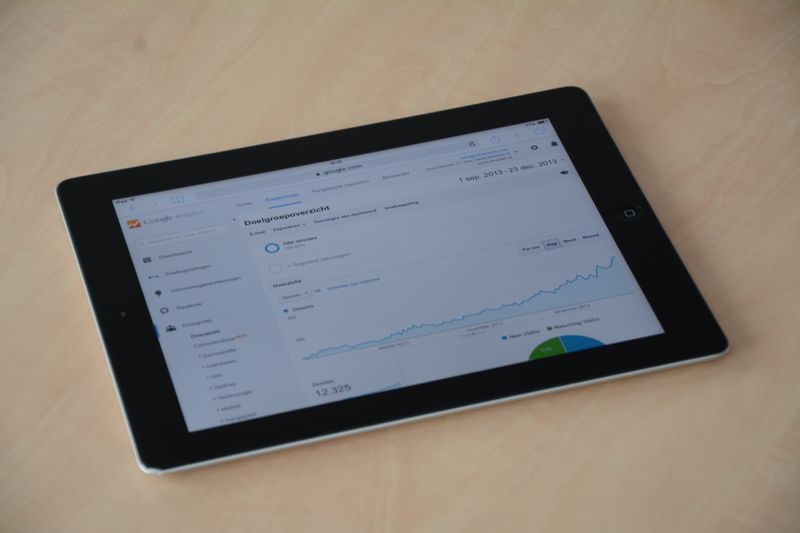
Google Search Console is the one free tool no site can skip, because it shows real query and indexing data straight from Google. This guide covers every report that matters, how to read it, and how to turn the signals into a weekly and monthly SEO routine.

Site Migration SEO: A Checklist to Protect Your Rankings
A site migration is any change that alters your URLs, platform, or structure, and each one risks the rankings you have built. This guide gives you a phased checklist, before, during, and after launch, with the redirect map at its heart.

Featured Snippets: How to Win Position Zero
A featured snippet is the answer box Google pulls to the top of results, above the regular listings. This guide covers what they are, the main types, how Google picks one, how to format for each, and where the click math stops making sense.

E-E-A-T for SEO: Building Experience, Expertise, Authority and Trust
E-E-A-T is a set of signals human raters use to judge whether content is trustworthy, not a switch Google turns. This guide breaks down the four pillars, the on-page and off-page signals that demonstrate them, and how to build genuine authority over time.

B2B SEO: A Strategy for Complex Sales Cycles
B2B SEO is not B2C with business keywords bolted on. It is a pipeline-driven system built for a small audience, a long sales cycle, and a buying committee. This guide maps the whole thing, from the buyer journey to the pages that move deals to what you should actually measure.
How to Recover From a Google Traffic Drop: A Diagnostic Guide
A Google traffic drop is a symptom, not a diagnosis, and the fix depends entirely on the cause. This guide shows you how to confirm the drop, read its pattern, tell a core update from a technical fault or manual action, and choose the right recovery.

Content Marketing Services: What to Expect and How to Choose a Partner
Content marketing services span strategy, research, editorial planning, SEO writing, optimization, and measurement. Here is what to expect, how the work is priced, how to choose a partner you can trust, and the situations where outsourcing is the wrong call.
SEO Reporting: A Monthly Report That Ends in Decisions
Most SEO reports are highlight reels that show numbers going up and prove nothing. This guide covers the metrics that matter, leading versus lagging signals, the core data sources, and a monthly report structure that ends in decisions rather than charts.

Content Audit: How to Find, Refresh, and Prune Content
A content audit sorts every page you own into keep, refresh, consolidate, or prune, so your best work stops competing with your weakest. This guide walks through the inventory, the signals that matter, and a decision matrix that turns a sprawling library into a plan.

AI Crawlers and llms.txt: Controlling How AI Uses Your Content
AI crawlers read your pages to train models and to build AI answers, and they are not all the same bot. This guide explains training versus retrieval crawlers, the major ones to know, what robots.txt controls, and whether the proposed llms.txt file is worth adding yet.

How to Rank in Google AI Overviews
Google AI Overviews sit above the links and answer the query directly, citing a few sources. They run on the same index and ranking systems as ordinary search, so there is no separate button to press. Here is how they are built, what content gets pulled, and when appearing costs you the click.

JavaScript SEO: How to Make JS Sites Crawlable and Indexable
JavaScript builds most of the modern web, and search engines read that content in a later step than the first crawl. This guide explains how Googlebot renders JavaScript, why the delay causes indexing gaps, and how to confirm what Google actually sees.

Next.js SEO: Building Search-Friendly React Applications
Client-only React apps ship an empty shell that crawlers struggle to read. Next.js fixes that by rendering real HTML on the server. This guide covers the rendering strategies and their SEO trade-offs, metadata, images, routing, sitemaps, structured data, and where Next.js is the wrong call.

Link Building for SEO: Strategies That Actually Work
Link building still moves rankings, but volume is the wrong goal. This guide covers the white-hat tactics that earn durable backlinks, how to read a single link opportunity, and where link building quietly turns into a liability.

Digital PR: How to Earn High-Authority Backlinks and Brand Mentions
Digital PR earns coverage, links, and brand mentions by giving journalists something worth writing about. Here is how it differs from link building, the campaigns that work, and how to measure results beyond a link count.

Programmatic SEO: How to Scale Pages Without Thin Content
Programmatic SEO turns a data set you own into thousands of pages that answer real queries. Done carelessly, it produces index bloat that drags the whole domain down. Here is when it fits, how to build templates worth ranking, and where the line to doorway pages sits.
SaaS SEO: A Complete Guide to Organic Growth for SaaS
SaaS SEO is not generic SEO with software keywords bolted on. It is a funnel-driven system built around a product, a long sales cycle, and signups you can trace to revenue. This guide maps the whole thing, from intent to page types to what you should actually measure.

Technical SEO Services: What They Include and When You Need Them
Technical SEO services fix the mechanical reasons good content fails to rank. Here is what they include, the signals that mean you need them, how to choose a provider, and the situations where hiring would be money in the wrong place.

Topical Authority: How to Build Content Clusters That Rank
Publishing more rarely builds authority; covering a subject completely does. This guide goes deep on topical authority: how clusters signal expertise, why entities and semantic coverage matter, the internal linking that binds a cluster, and how to measure authority without inventing numbers.

How to Perform an SEO Audit: A Step-by-Step Guide
An SEO audit is only useful if it tells you what to fix first. This guide runs the full audit in order, from preparation through technical, on-page, content, backlink, competitor, and AI-search checks, then hands you a checklist and a framework to prioritize the fixes that move rankings.

Core Web Vitals: A Guide to Website Performance for SEO
Core Web Vitals measure how a page loads, responds, and stays stable, and they act as a tiebreaker in search rather than a magic lever. This guide breaks down LCP, INP, and CLS, what hurts each one, how to measure with field and lab data, and where a framework like Next.js helps.

Schema Markup: A Guide to Structured Data for SEO
Schema markup is the vocabulary that describes your page to a machine, so search engines and AI answer engines can read it precisely. This guide covers what it is, the JSON-LD format Google recommends, the types that matter, and how to validate them without breaking anything.

Internal Linking: A Strategy Guide for SEO
Internal linking is the most controllable ranking lever most sites underuse. This guide covers how link equity flows, how to write anchor text, and how to wire a hub-and-spoke model that search engines and readers both follow.

SEO vs AI Search: What's Changing and What Still Matters
"SEO is dead" is the loudest myth in search right now. It is also wrong. AI answer engines run on the same crawled, indexed web as Google, so most fundamentals hold. Here is what genuinely changes, what stays the same, and how to make your pages quotable.

SEO Services: What They Include and How to Choose a Partner
SEO services span strategy, technical work, content, links, AI-search optimization, and reporting. Here's what to expect, how providers price the work, how to choose a partner you can trust, and the red flags to avoid.

Technical SEO Checklist: Actionable Checks for Better Rankings
A technical SEO checklist is only useful if it tells you what to fix first. This guide groups more than a hundred checks into ten areas, explains why each matters, and shows you how to run the audit and skip the issues that never touch your rankings.

Content Marketing for SEO: Building Topical Authority That Lasts
Publishing more posts rarely builds authority; covering a subject completely does. This guide breaks down content marketing for SEO: the pillar-and-cluster model, planning clusters from intent, briefs, E-E-A-T, internal linking, and how to measure what actually works.

How Google Search Works: Crawling, Indexing and Ranking
Google Search runs in three separate stages: crawling, indexing, and ranking, and confusing them is why most "why won't my page rank" problems go unsolved. This guide explains how each stage works and gives you a diagnostic list to find the exact stage a page is stuck at.

On-Page SEO: A Checklist for Optimizing Every Page
On-page SEO is the part of search you control completely, from the title tag to the last internal link. This guide breaks down every on-page element and hands you a per-page checklist to run before you publish anything.

Keyword Research: How to Find High-Intent Keywords
Keyword research is less about finding big numbers and more about reading intent. This guide covers the four search intents, keyword types, clustering, SERP analysis, and a simple scoring rule for deciding what to write first.

AI Search: How to Get Cited by ChatGPT, Gemini, Claude and Perplexity
AI search answers questions in prose and cites a few sources instead of returning ten blue links. This guide explains how AI answer engines choose what to quote, what AEO and GEO really mean, and how to structure content so ChatGPT, Gemini, Claude and Perplexity cite your pages.
Technical SEO: Crawlability, Indexing and Site Health
Technical SEO is the plumbing that lets search engines crawl, render, index and trust your pages. This guide walks through every layer, from robots.txt to Core Web Vitals, and gives you a decision rule for when to index, noindex or canonicalize.
SEO: A Complete Guide to Search Engine Optimization
SEO is less a checklist than a system for becoming the answer a search engine can confidently recommend. This guide maps the whole territory, from how crawling works to where AI search fits, and points you to the deeper playbooks.
Stay Ahead Of The Curve
Get the latest SEO insights and growth strategies delivered to your inbox. No spam, just actionable advice.